Motion, Light and the Spirit of the Metropolis
Tokyo is a city where movement and stillness coexist with remarkable harmony. Its neon reflections shimmer across quiet temple courtyards, creating a rhythm that feels both modern and timeless. The city’s vastness reveals itself gradually, inviting travellers to explore one neighbourhood at a time. Walking through Tokyo means encountering contrasts that feel perfectly balanced, from serene shrines to bustling crossings. The sound of the metro blends with the rustle of leaves in ancient parks, forming a soundtrack that is unmistakably Tokyo. Every corner offers a new perspective, shaped by light, architecture and the gentle flow of people. The city’s energy is vibrant yet never overwhelming, allowing visitors to find their own pace. Whether you arrive for the first time or return after many years, Tokyo has a way of unfolding gently. It invites you to wander, observe and let its rhythm settle into your own. This is a city that stays with you long after you leave.
First Impressions of Tokyo’s Skylines, Stations and Soft Morning Light
Tokyo Tower from Roppongi Hills Mori Tower
Tokyo welcomes travellers through two major gateways that each offer a distinct first impression. Narita International Airport lies further east, connected to the city by express trains that glide past rice fields and suburban landscapes. Haneda Airport, closer to the centre, provides a more immediate transition from runway to metropolis, with views of Tokyo Bay unfolding as you approach. Arriving at Haneda often feels seamless, with quick access to central districts and efficient transport links. Narita’s longer journey offers a gentle introduction to Japan’s countryside before the city’s skyline appears. Travellers arriving by Shinkansen experience another dimension of Tokyo’s rhythm. The trains from Kyoto, Osaka or Nagoya pull into Tokyo Station, where red-brick architecture meets the pulse of the city. Stepping onto the platform reveals a shift in tempo, as the quiet efficiency of the Shinkansen gives way to Tokyo’s layered energy. Whether by air or rail, arriving in Tokyo feels like entering a world shaped by precision, movement and subtle beauty.
Tokyo’s Iconic Views and the Stories Written in Its Cityscape
Landmarks Where Light, Architecture and Urban Rhythm Meet
Tokyo Tower rises in warm orange tones, offering a nostalgic symbol of Japan’s post-war optimism. Its lattice structure stands gracefully against the skyline, creating a familiar silhouette that feels both iconic and comforting. Nearby, the Roppongi Hills Mori Tower provides one of the most striking views of the city, especially from its open-air observation deck. The panorama from the tower reveals Tokyo’s endless expanse, stretching from Shinjuku’s skyscrapers to the distant outline of Mount Fuji. Together, these two landmarks capture Tokyo’s blend of tradition and modernity, offering perspectives that shift with the light and time of day.
Shibuya Crossing is one of Tokyo’s most dynamic scenes, where hundreds of people move in synchronised flow. Watching the crossing from above (best from the Starbucks café) reveals a choreography that feels almost artistic. The surrounding screens and lights create a vibrant atmosphere that changes constantly. At street level, the movement feels immersive, drawing you into the rhythm of the city. Shibuya remains a symbol of Tokyo’s energy, offering a moment that is both chaotic and harmonious.
Meiji Jingu sits quietly within a forest of towering trees, offering a peaceful retreat from the city’s pace. Passing through its wooden torii gates feels like stepping into another world shaped by stillness and ritual. The shrine’s pathways invite slow, reflective walks that contrast beautifully with nearby Shibuya. The architecture blends simplicity with elegance, creating a space that feels timeless. Meiji Jingu remains one of Tokyo’s most serene landmarks, offering a moment of calm in the heart of the metropolis.
Ginza is Tokyo’s most polished district, known for its wide boulevards and refined boutiques that invite slow, thoughtful browsing. The department stores here showcase both international brands and Japanese craftsmanship, creating a sense of calm sophistication as you move from one floor to the next. After shopping in the department stores, check out Ginza Karen to buy a suitcase to get those shopping home, a place known for beautifully designed pieces that combine practicality with quiet elegance. The neighbourhood’s cafés and patisseries add a gentle rhythm to the experience, encouraging visitors to pause and enjoy the surroundings. Ginza remains a highlight for travellers seeking style, calm and a touch of everyday luxury.
Neighbourhood Corners That Reveal Tokyo’s Intimate Beauty
Shinjuku reveals a different side of Tokyo through the narrow lanes of Golden-Gai, where tiny bars glow softly at night. Each bar offers its own story, creating an intimate atmosphere that feels worlds away from Shinjuku’s skyscrapers. Nearby, Godzilla Road adds a playful touch to the neighbourhood, with the iconic creature peering over the rooftops. The contrast between Golden-Gai’s quiet charm and Godzilla Road’s lively energy captures Shinjuku’s unique character. Together, they offer a glimpse into Tokyo’s blend of nostalgia, creativity and modern culture.
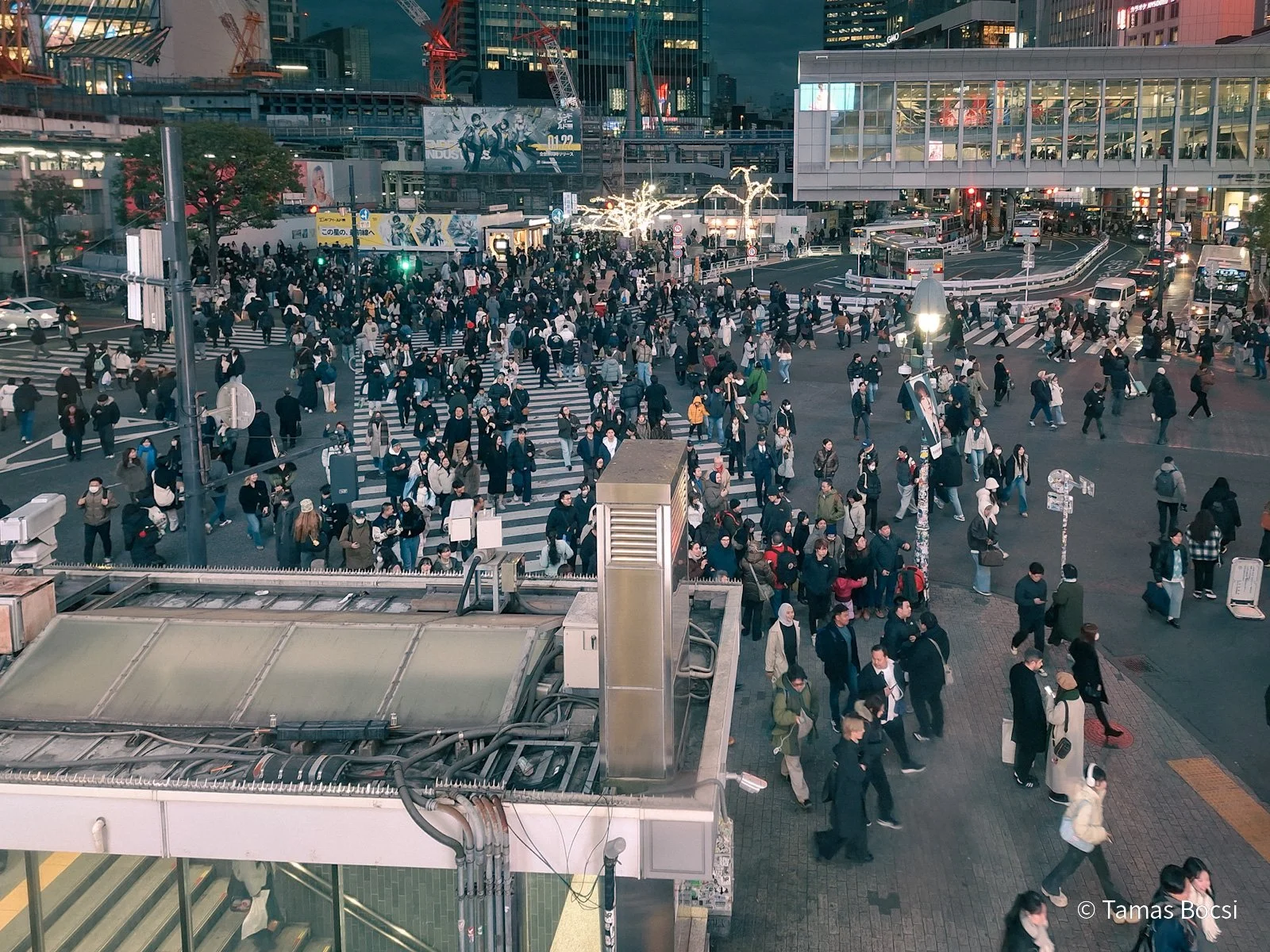
Shibuya Crossing at night
Yanaka Ginza is one of Tokyo’s most nostalgic neighbourhoods, shaped by traditional shops and gentle street life. Walking through its lanes reveals a slower rhythm that feels refreshing after the city’s busier districts. Local vendors offer snacks, crafts and everyday goods that reflect the area’s history. The neighbourhood’s atmosphere encourages wandering without hurry, allowing visitors to appreciate its subtle details. Yanaka Ginza remains a beautiful reminder of Tokyo’s past, preserved with care and authenticity.
Nakameguro offers a calm, stylish atmosphere shaped by canals, cafés and leafy streets. The area becomes especially photogenic during cherry blossom season, when the trees create a soft canopy over the water. Boutiques and small restaurants add a refined yet relaxed rhythm to the neighbourhood. Walking along the canal feels peaceful, offering a moment of quiet within the city. Nakameguro remains a favourite for travellers seeking beauty in everyday scenes.
Koenji is known for its vintage shops, lively streets and creative subculture. The neighbourhood offers a youthful energy that feels distinct from central Tokyo. Small cafés and music venues add character to the area, creating a vibrant yet approachable atmosphere. Wandering through Koenji reveals unexpected finds, from retro clothing to local art. The neighbourhood remains a hidden gem for everybody seeking a more eclectic side of Tokyo.
Finding Your Base in a City of Contrasts and Calm Perspectives
First-time travellers often enjoy staying in Shinjuku or Shibuya, where transport connections and major sights are close at hand. These districts offer a lively atmosphere that helps visitors experience Tokyo’s rhythm. Hotels range from modern towers to boutique options that provide comfort and convenience.
Backpackers and budget travellers may prefer Asakusa or Ueno, where affordable guesthouses and hostels create a welcoming base. These areas offer easy access to cultural landmarks and traditional streets. The atmosphere feels relaxed, making it ideal for travellers exploring Tokyo at a slower pace.
Families tend to appreciate Odaiba or Ikebukuro, where spacious hotels and family-friendly attractions create a comfortable environment. These districts offer entertainment options that suit all ages. Transport links remain excellent, ensuring smooth travel across the city.
Seasoned travellers often choose quieter districts like Daikanyama or Nakameguro, where cafés, boutiques and leafy streets offer a slower rhythm. These neighbourhoods provide a refined atmosphere that suits travellers seeking depth and calm. The surroundings encourage wandering and discovery without rush.
Senior travellers may find Ginza or Marunouchi ideal, thanks to their calm atmosphere and easy navigation. These districts offer excellent transport links and comfortable hotels. The refined environment creates a pleasant base for exploring Tokyo.
Moving Through Tokyo’s Streets, Lines and Photogenic Pathways
Tokyo is a city best explored through a mix of walking and public transport. Many neighbourhoods reveal their charm on foot, from small cafés tucked into side streets to unexpected viewpoints between buildings. The metro system is efficient and intuitive, connecting every corner of the city with remarkable precision. Public transport extends beyond the metro, with buses and local trains offering additional routes. Taxis are widely available and reliable, providing convenience for late-night returns or longer distances. Ride-share options offer flexibility for travellers seeking direct routes. Navigating Tokyo feels seamless thanks to clear signage and helpful staff. The city’s transport network reflects its commitment to movement, accessibility and ease.
Flavours, Textures and Everyday Scenes in Tokyo’s Culinary Landscape
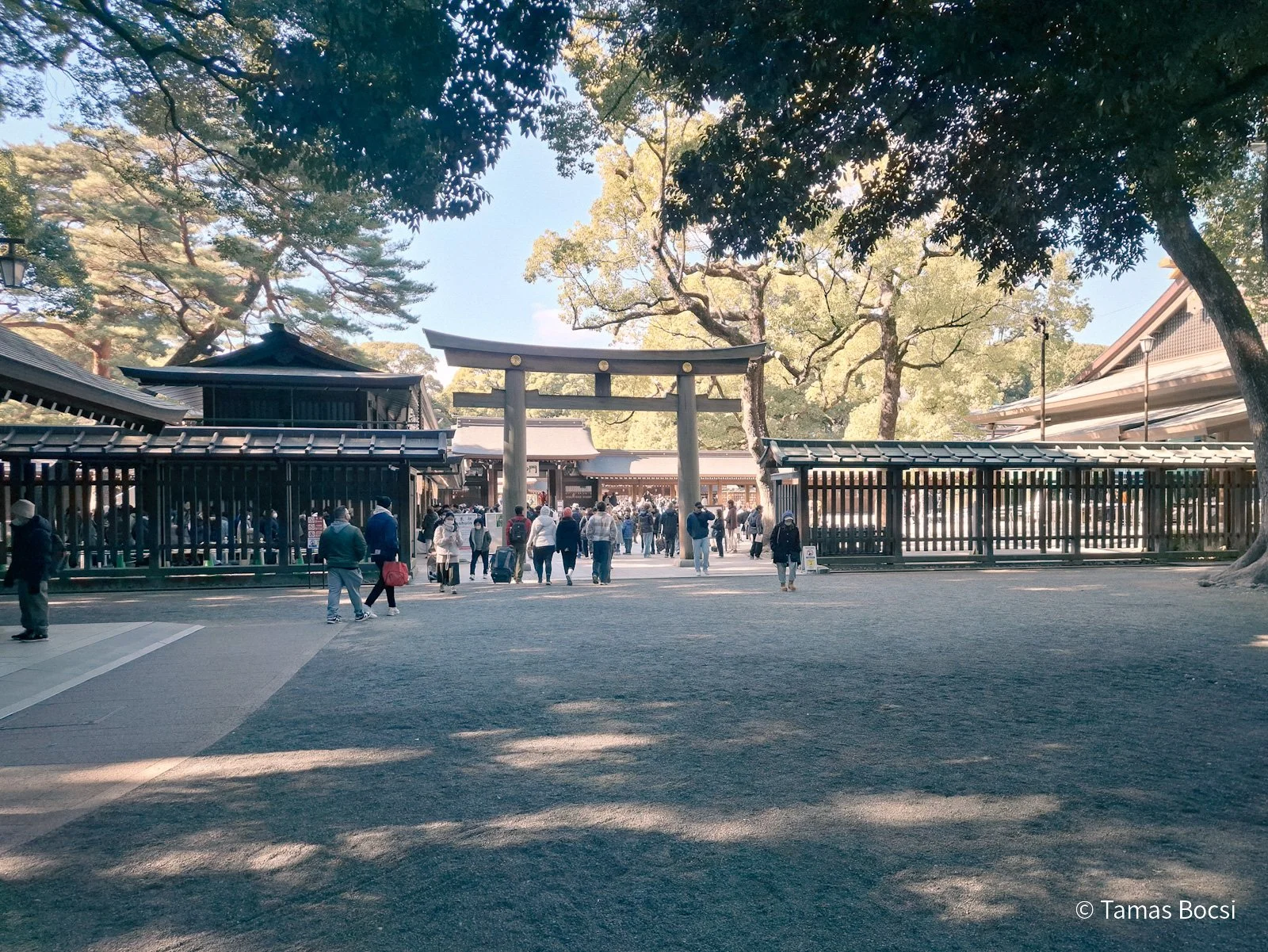
Entrance to Meiji Jingu
Tokyo’s food scene is a world of its own, offering flavours that range from traditional to innovative. A steaming bowl of ramen is never far away, whether you prefer rich tonkotsu broth or lighter shoyu styles. Convenience stores like Seven-Eleven and FamilyMart offer surprisingly delicious snacks and meals, from onigiri to fresh pastries. Sushi restaurants present delicate craftsmanship that reflects Japan’s culinary heritage, offering flavours shaped by precision and tradition. Tempura shops bring a sense of quiet refinement, serving dishes that feel both simple and beautifully composed. Yakitori stalls add warmth to the city’s evenings, their grilled skewers creating an inviting atmosphere that suits casual nights out. Markets and food halls reveal regional specialities from across Japan, turning each visit into a small journey through the country’s culinary landscape. Bakeries and patisseries introduce a gentle sweetness to Tokyo’s rhythm, blending Japanese subtlety with European influences in a way that feels both familiar and new. Exploring the city through its food becomes one of the most rewarding ways to experience its culture. Every meal offers a new perspective shaped by flavour, tradition and creativity.
Places Where Tokyo’s Light and Motion Create Perfect Frames
Shibuya Crossing offers dynamic compositions shaped by movement, light and the flow of people. Capturing the crossing from above reveals patterns that shift constantly, and one of the best elevated views is from the Starbucks overlooking the intersection, where the movement below feels almost like a living canvas. At street level, the energy feels immersive and vibrant. Shinjuku at night reveals a tapestry of neon lights, reflections and bustling streets. The contrast between bright signs and dark alleyways creates striking scenes. The atmosphere feels cinematic, offering endless photographic opportunities. The view from the Roppongi Hills Mori Tower observation deck provides a breathtaking perspective of Tokyo. The skyline stretches endlessly, revealing layers of architecture and light. Sunset adds a warm glow that enhances the city’s beauty.
A Final Look at Tokyo’s Layers, Rhythm and Lasting Impressions
Tokyo is a city that reveals itself through contrasts, movement and quiet moments. Its neighbourhoods offer perspectives that feel both vast and intimate. The city’s rhythm invites travellers to explore at their own pace. Tokyo remains a place that stays with you, encouraging return visits and new discoveries.
I hope with all the above, I could help you plan your next trip to Tokyo. Feel free to leave a comment below or reach out if you need help with your travel planning.
Here is a link to my Tokyo site which hopefully gives you some ideas about what to expect.
Need more travel planning help? Contact me!